When your vehicle comes back from collision repair, the goal is for it to look exactly the way it did before the accident - or better. The body work itself is one part of that equation. The paint match is the other. A repair that is structurally flawless but visually mismatched is immediately noticeable, and for many drivers it is just as frustrating as the original damage. This guide explains why paint matching is harder than it sounds, how modern technology solves that challenge, and what Las Vegas drivers should expect from a quality collision repair shop.
Why Paint Matching Is Harder Than It Looks
Every vehicle has a factory paint code - a number that tells the body shop what color was originally applied at the factory. But here is the problem: that code represents the color as it left the factory, not the color your car is today. Paint changes over time. UV exposure, heat cycling, washing, and simple environmental weathering all cause your factory paint to drift slightly from its original formula. In Las Vegas, with its extreme UV index and heat, that drift happens faster than in most other climates.
This means that if a body shop simply mixes paint to the factory code and sprays the repaired panel, there is a good chance it will not match the adjacent panels that have been weathering on your vehicle for years. The new paint will look brighter, slightly different in hue, or have a different sheen - visible as a panel-to-panel color inconsistency that is most apparent in sunlight at certain angles.
How Computerized Color Matching Works
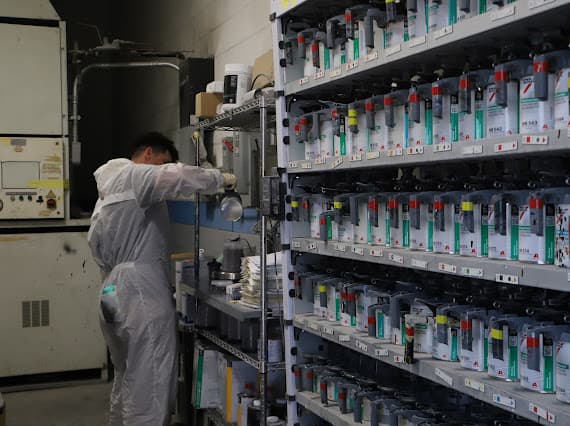
Modern body shops that take paint matching seriously use a device called a spectrophotometer. This tool is placed directly against your vehicle's existing paint in multiple locations and measures the color using light wavelengths. It reads not just the hue but also the metallic flake orientation, pearl particle density, and the degree to which the original color has shifted from the factory formula due to weathering. The result is a precise, custom-blended formula matched to your actual vehicle - not the generic factory code.
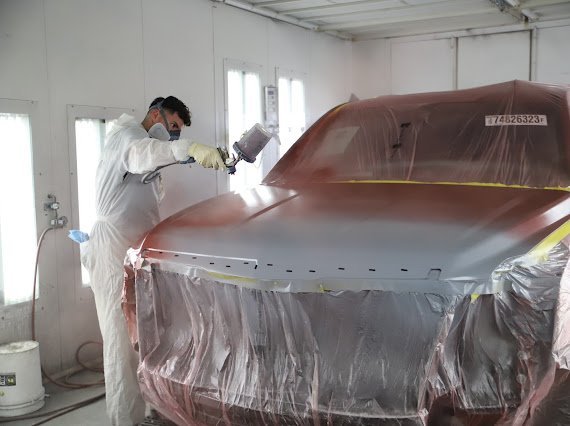
At Best Class Auto Body in Las Vegas, we use computerized color matching on every paint repair job. The spectrophotometer reading feeds directly into our paint mixing system, which formulates the exact blend needed. From there, our paint technicians apply the color in a climate-controlled spray booth, where temperature and humidity are managed to ensure proper application and cure.
Understanding Multi-Stage Paint Systems
Most modern vehicles use a multi-stage paint system. Understanding these layers helps explain why painting even a single panel is a multi-step process that requires real expertise.
- 1Primer - applied first to the repaired metal or substrate. It promotes adhesion, provides corrosion protection, and creates a smooth foundation for the color layers.
- 2Basecoat - the visible color layer. Depending on the finish type, it may contain metallic aluminum flakes, mica pearl particles, or solid pigments. Each type behaves differently and requires different matching and application techniques.
- 3Clear coat - the transparent top layer that provides gloss, depth, and UV protection. Clear coat is what you actually see and touch when you look at a painted panel - the color layer sits beneath it.
The Challenge of Specialty Finishes
Solid colors are the easiest to match because they have a uniform, single-pigment formula. But many modern vehicles - especially in the Las Vegas market where premium trucks and luxury vehicles are common - have metallic, pearl, or tri-coat finishes that are significantly more complex.
- Metallic finishes contain aluminum flakes that reflect light. The orientation and density of those flakes changes how the color looks at different angles - called flop. Matching flop requires precise spray gun settings and technique.
- Pearl finishes use mica particles that create a color-shifting iridescence. Pearl coats are often tri-stage: primer, color coat, pearl coat, then clear coat. Each layer must be matched independently.
- Tri-coat and quad-coat finishes add additional tinted clear or effect layers that require even more steps and expertise to replicate properly.
Paint Blending: How Shops Make the Repair Invisible
Even with perfect computerized matching, a freshly painted panel can sometimes look slightly different from adjacent panels because of micro-variations in sheen and texture. The solution is panel blending. Instead of painting only the damaged panel with a hard stop at the panel edge, the painter extends the new paint onto adjacent panels with a gradual fade. This blended transition makes the new paint indistinguishable from the original at normal viewing distances and angles. Blending is a skilled technique that not every shop performs - but at Best Class Auto Body it is a standard part of any collision paint repair.
Why Paint Matching Matters for Your Vehicle Value
A visible paint mismatch is not just an aesthetic issue. It affects your vehicle's resale or trade-in value. A buyer or dealer who can see mismatched paint immediately assumes the vehicle was in an accident and improperly repaired. Even if the structural repair was done correctly, a poor paint match signals poor quality workmanship. For Las Vegas drivers who own newer vehicles, premium trucks, or luxury cars, a proper paint match protects real financial value.
Get a Free Auto Paint Repair Estimate in Las Vegas
Best Class Auto Body provides professional auto paint refinishing and collision repair for drivers across Las Vegas, Henderson, and North Las Vegas. Our I-CAR Gold Class certified paint technicians use computerized color matching, professional spray booths, and multi-stage application techniques to deliver results that are factory-quality and lifetime warranted. If your vehicle has paint damage from an accident, fading, or any other cause, stop by our shop at 5267 E Cheyenne Ave for a free estimate. Call us at (702) 754-5408 - we are here Monday through Friday 8am to 5pm.
Related Services at Best Class Auto Body: