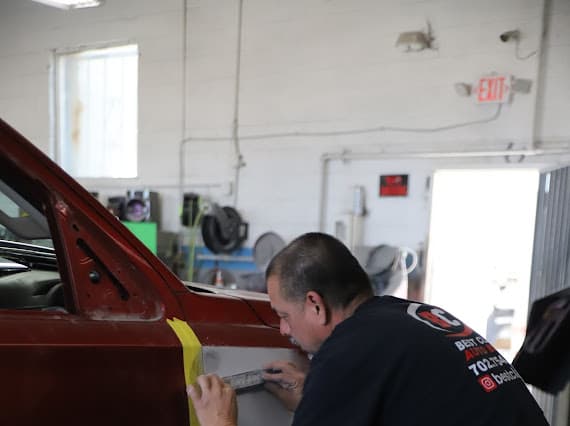
If you have never had a vehicle repaired after a collision, the process can feel like a black box. You drop the car off, someone calls you a week later, and you pick it up - but you have no idea what actually happened in between. Understanding the auto body repair process in Las Vegas helps you set accurate expectations, ask better questions, and recognize quality work when you see it.
Step 1: The Repair Estimate
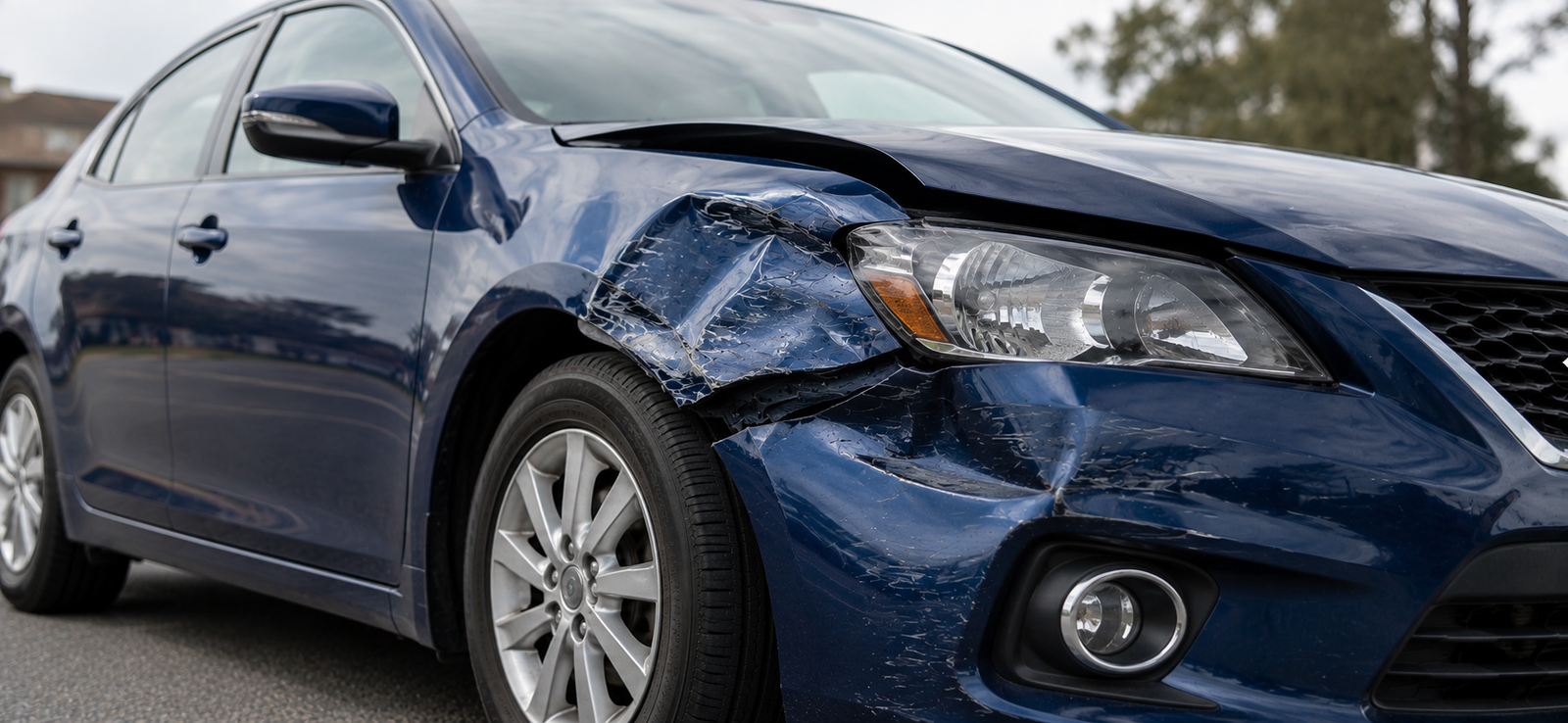
Every repair starts with a written estimate. A technician inspects the vehicle and documents all visible damage - dents, scratched panels, broken trim, and structural concerns. The estimate itemizes each repair procedure, replacement part, paint operation, and labor hour. At Best Class Auto Body in Las Vegas, estimates are free and include a thorough walk-around of the vehicle with the customer before any work begins.
Step 2: Parts Ordering
Once the estimate is approved - either by you directly or through your insurance carrier - parts are ordered before the vehicle is scheduled for teardown. This sequencing matters: waiting until parts arrive before pulling the car into the shop keeps your vehicle out of the shop longer than necessary and keeps the workflow efficient. Parts may include OEM (original equipment manufacturer) components, CAPA-certified alternatives, or reconditioned parts depending on your repair agreement.
Step 3: Teardown and Damage Assessment
When parts arrive and the vehicle enters the shop, technicians perform a full teardown of the damaged area. Panels and trim are removed to expose all underlying damage. This is where hidden damage is discovered - components that were not visible from the outside during the initial estimate. Crumple zones, inner support structures, sensors, and wiring are all inspected at this stage. If additional damage is found, the shop submits a supplement to your insurance carrier for approval before proceeding.
Step 4: Structural and Frame Work
If the collision affected the vehicle's frame or unibody structure, straightening is performed using a computerized frame measurement and pulling system. Technicians take measurements at multiple points across the vehicle and compare them to manufacturer specifications. The frame is pulled back into alignment gradually, with measurements verified throughout the process. A vehicle with uncorrected frame misalignment will not handle safely, wear tires evenly, or protect occupants properly in a future collision.
Step 5: Panel Repair and Replacement
Damaged panels are either repaired or replaced depending on the extent of damage, the location of the damage, and whether repair will produce a result equal to replacement. Minor dents in accessible areas can often be worked out using conventional dent repair techniques. Panels with creases, tears, or damage near edges are typically replaced. New parts are test-fitted before painting to ensure proper gaps and alignment with adjacent panels.
Step 6: Paint Preparation and Refinishing
Paint preparation is one of the most labor-intensive stages of an auto body repair. Surfaces are sanded, primed, and blocked to create a perfectly smooth substrate before any color is applied. The refinishing technician uses computerized paint mixing systems to match your vehicle's factory color code. In Las Vegas, where intense UV exposure can cause paint to shift over time, color matching also accounts for how the existing paint has faded or aged. Clear coat is applied in multiple coats and cured properly before the next stage.
Step 7: Reassembly and ADAS Calibration
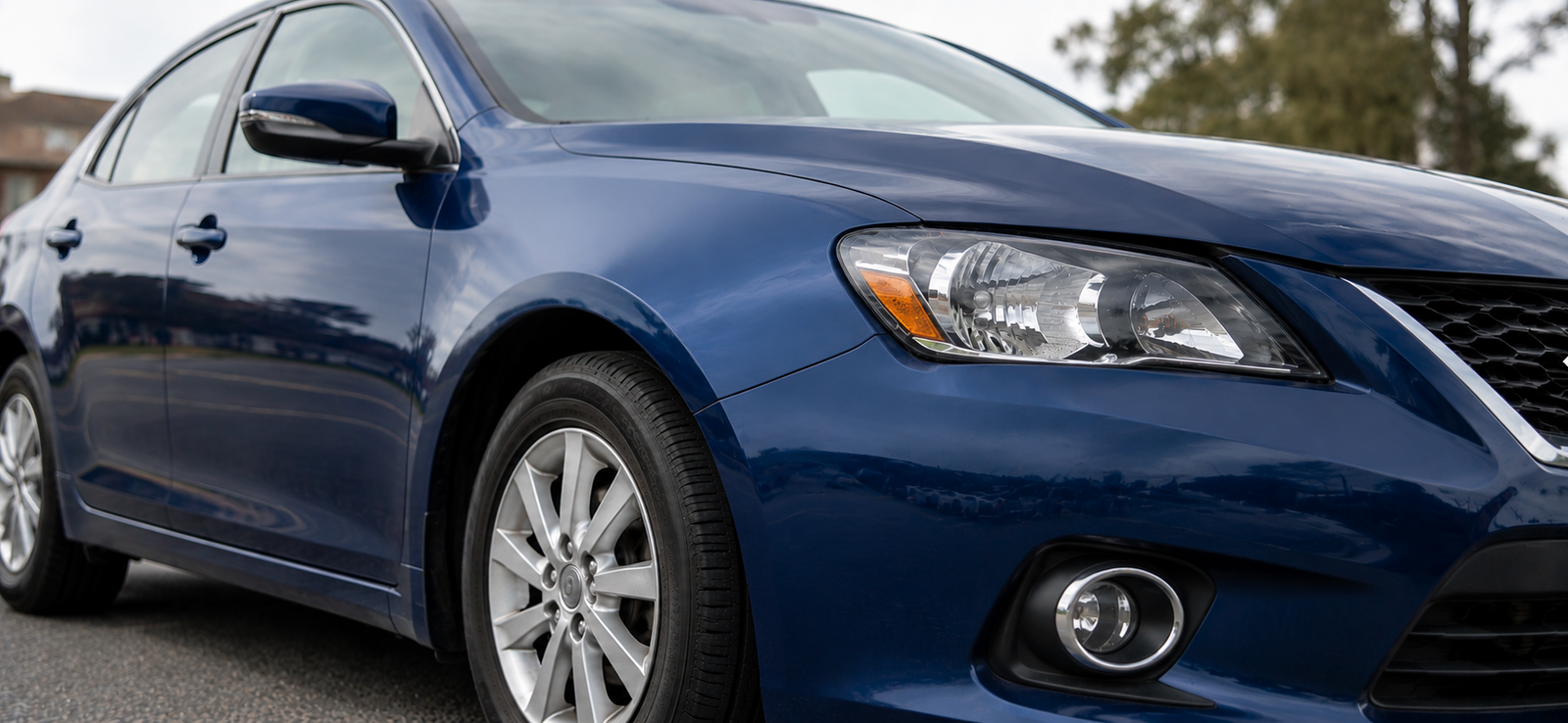
With refinishing complete, the vehicle is reassembled. Trim, moldings, glass, sensors, and mechanical components are reinstalled and connected. Modern vehicles equipped with advanced driver assistance systems (ADAS) - including cameras, radar, and ultrasonic sensors - require recalibration after collision repairs that affect their mounting position or field of view. Skipping ADAS calibration leaves safety systems unreliable after a repair.
Step 8: Quality Control and Delivery
Before any vehicle leaves our Las Vegas shop, it goes through a quality control inspection. The repair is reviewed against the original work order, paint is checked in direct light for match and texture quality, all mechanical and electronic functions in the repaired area are tested, and the vehicle is cleaned inside and out. When you pick up your vehicle, we walk through the completed repair with you before you sign off.
Best Class Auto Body at 5267 E Cheyenne Ave in Las Vegas handles the full repair process for Las Vegas Valley drivers - from estimate through delivery. We work directly with all major insurance carriers and back every repair with a lifetime workmanship warranty. Call (702) 754-5408 or stop by for a free estimate.
Related Services at Best Class Auto Body: