After a collision repair, the most visible measure of quality is the paint. A repair that blends perfectly with the rest of your vehicle is the standard every quality shop should meet. Paint matching is one of the most technically demanding parts of the process - and one where shortcuts are immediately visible.
Why Paint Matching Is Difficult
Your vehicle left the factory with a specific paint formula, but that formula describes what the paint looked like when it was new. Every vehicle ages differently - sun exposure, washing, climate, and minor environmental factors all cause the paint to shift gradually from its original factory color. In Las Vegas, intense UV radiation accelerates this process significantly.
This means simply ordering the factory color code and spraying it onto a repaired panel will often produce a visible mismatch. Professional paint matching must account for the current state of your vehicle's paint, not just the factory spec.
How Computerized Color Matching Works
Modern body shops use a spectrophotometer - a device that analyzes your vehicle's existing paint using precisely controlled light wavelengths. The device measures the actual color values of your paint in multiple angles, capturing metallic flake orientation, pearl particle effects, and color shift that varies based on viewing angle.
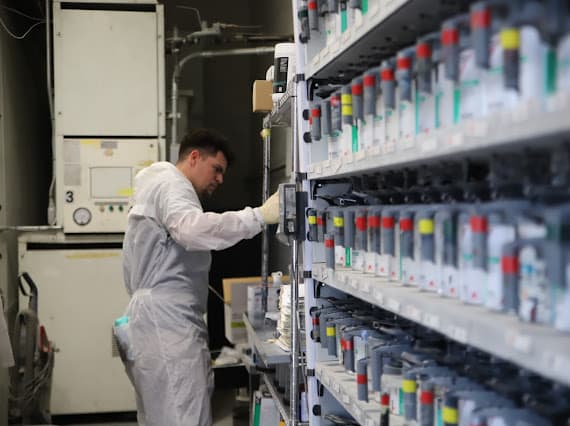
This data is fed into a paint mixing system that formulates an exact match to your vehicle's current paint - not just the factory color code. The result is a custom blend specific to your car, accounting for years of environmental exposure.
Multi-Stage Paint Systems
Quality paint work is a multi-stage process that cannot be rushed:
- 1Surface preparation - the repaired area is cleaned, sanded, and primed to create the right foundation
- 2Primer coat - seals the substrate and provides even color absorption for the basecoat
- 3Basecoat - the color layer, applied in controlled conditions for even coverage
- 4Clear coat - a transparent protective layer that provides depth, gloss, and UV resistance
- 5Blending - the painted area is blended into adjacent panels for a seamless transition
Paint Drift and Las Vegas UV
Las Vegas receives more UV radiation than most major U.S. cities. This UV exposure degrades clear coat and causes the color underneath to shift over time - a process called paint drift. A 5-year-old vehicle in Las Vegas has often drifted more than a 10-year-old vehicle in a less sunny climate.
This makes spectrophotometer-based color matching particularly important for Las Vegas drivers. Without it, repaired panels often appear slightly different in direct sunlight even when the factory code is matched precisely.
Blending Techniques
Even with a perfect color match, painting only the repaired panel can create a visible line at the panel edge. Blending - the technique of feathering the new paint into the adjacent panels - eliminates this boundary and creates a seamless transition across the vehicle.
Specialty Finishes
Metallic, pearl, tri-coat, and matte finishes require additional expertise and materials. Metallic flakes must be oriented consistently to match the angle-dependent sparkle of the original. Tri-coat colors involve three separate paint layers. Matte finishes require specific products and application techniques to maintain the correct sheen level.
Lifetime Warranty on Paint Work
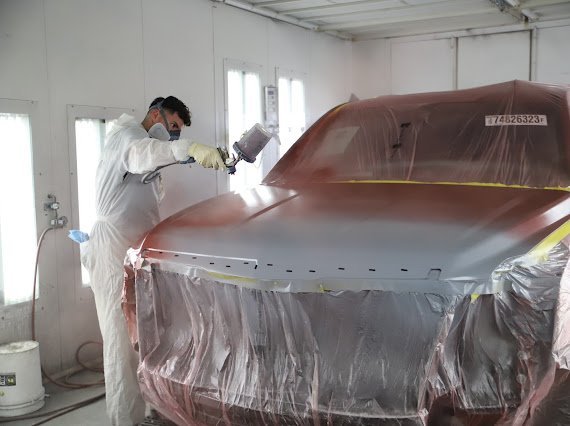
Best Class Auto Body backs all paint refinishing work with a lifetime workmanship warranty. If paint defects develop in the work we performed - peeling, fading at the repair area, or blending issues - we stand behind the work. Our paint work is performed in a climate-controlled spray booth by I-CAR certified refinishing technicians.
Related Services at Best Class Auto Body:
Frequently Asked Questions
How do I know if my car's paint was properly matched?
A properly matched repair should be undetectable in normal viewing conditions. Inspect the repair in direct sunlight from multiple angles. If you see a color difference, a metallic flake orientation difference, or a visible panel edge where the new paint starts, the matching or blending was not done correctly.
Does painting affect my car's warranty?
Collision repair paint work performed by a certified shop does not void your vehicle manufacturer warranty. The Magnuson-Moss Warranty Act protects you in this regard. Using OEM paint materials and following manufacturer repair procedures preserves your warranty.
What is the difference between a single-stage and two-stage paint?
Single-stage paint combines color and gloss in one layer. Two-stage (basecoat/clear coat) systems separate the color and the protective clear coat into distinct layers. Modern vehicles use two-stage or three-stage systems. Matching single-stage paint on older vehicles requires different techniques than modern multi-stage systems.
How long does paint work take to cure?
Modern automotive paints cure quickly in controlled booth conditions. The paint may feel dry within hours, but full hardness and chemical resistance develops over 30-60 days. Avoid automatic car washes, waxing, or abrasive cleaning products during this curing period.