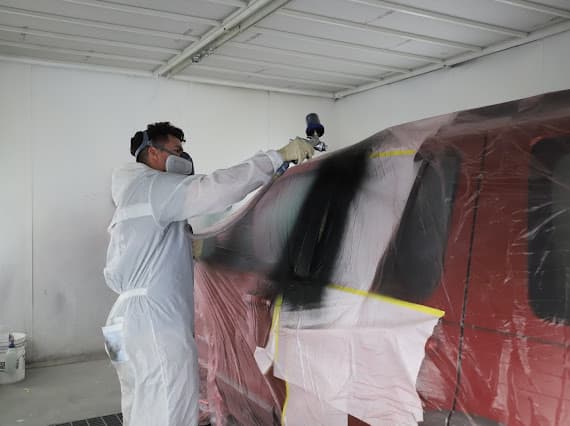
When a vehicle comes out of a collision repair, the most visible measure of quality is the paint. A panel that matches the rest of the car perfectly - indistinguishable in direct sunlight from multiple angles - is what every quality repair should deliver. Achieving that match requires more than looking up a factory color code. It requires understanding how paint ages and using technology to measure what is actually on the vehicle today.
Why Factory Color Codes Are Only the Starting Point
Every vehicle has a paint code - typically a combination of letters and numbers on a label in the door jamb or engine bay - that identifies the original factory paint formula. But that formula represents the color the paint was when it left the factory on a new vehicle. From day one, environmental exposure begins changing the paint.
UV radiation gradually breaks down and shifts the pigments in both the basecoat and the clear coat. Heat causes the paint layers to expand and contract on a daily cycle. Washing, waxing, and environmental contaminants all create micro-level changes over time. The result is that a vehicle that is three, five, or seven years old has paint that has drifted from its original factory formula - sometimes only slightly, sometimes noticeably, depending on how the vehicle was used and where it was driven.
In Las Vegas, this drift happens faster than in most U.S. cities. The UV index during summer regularly reaches the extreme range, and surface temperatures on a parked vehicle can exceed 170 degrees Fahrenheit on a summer afternoon. Las Vegas vehicles often show more paint drift in three years than a vehicle in a cooler, less sunny climate shows in eight.
How Spectrophotometer Color Matching Works
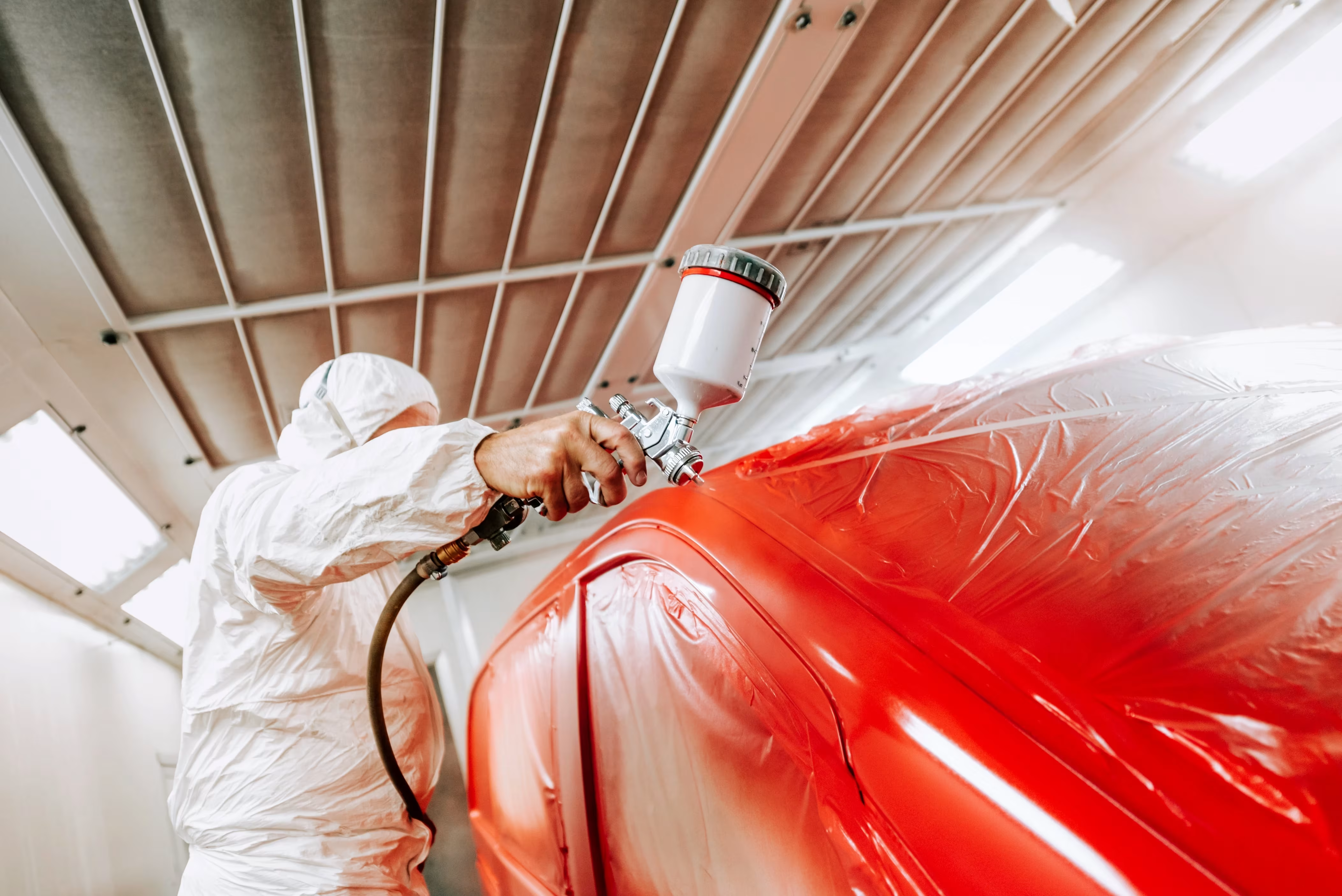
A spectrophotometer is a precision optical instrument that measures the color of your vehicle's existing paint using controlled light wavelengths. When placed against the paint surface, it measures at multiple angles to capture not just the base hue but also the metallic flake orientation, pearl particle density, and the direction-dependent color shift that is characteristic of modern multi-stage finishes.
These measurements are fed into a paint mixing system that formulates a custom blend matched to your actual current paint - not the generic factory code. For a vehicle in Las Vegas that has aged significantly, this can mean a meaningful adjustment from the original formula. The result is a match to what your vehicle looks like today, not what it looked like when it was new.
The Multi-Stage Paint Application Process
- 1Surface preparation - the repaired area is cleaned, sanded to the correct profile, and any imperfections are filled and feathered
- 2Primer - a primer coat seals the substrate, promotes adhesion of the basecoat, and provides even color absorption across the panel
- 3Basecoat - the color layer applied in multiple passes in a climate-controlled spray booth to ensure even coverage, correct metallic or pearl orientation, and consistent film thickness
- 4Clear coat - a high-build transparent top coat that provides depth, gloss, and UV protection
- 5Color sanding and buffing - after full cure, the painted surface is wet-sanded and machine-polished to remove any surface texture imperfections and maximize gloss
Panel Blending: Making the Repair Invisible
Even with a perfect spectrophotometer match, there can be subtle differences in sheen between a freshly painted panel and adjacent panels that have years of environmental exposure. Panel blending addresses this by extending the new paint with a gradual fade into the edges of adjacent panels. The transition is invisible in normal viewing conditions and makes the repair undetectable without the kind of examination an appraiser or detailer would perform.
Blending is a skilled technique that adds time and material cost to the repair. Shops that skip it to reduce cost often produce work that is visible as a mismatch in direct sunlight - which is exactly what quality collision repair should avoid.
Specialty Finishes: Metallic, Pearl, and Tri-Coat
Solid single-color paint is the most straightforward to match. But many vehicles - particularly popular trucks, SUVs, and luxury models common in Las Vegas - have metallic, pearl, or tri-coat finishes that are substantially more complex. Metallic paint contains aluminum flakes that must be oriented consistently in the application to match the angle-dependent sparkle of the original. Pearl finishes use mica particles and often require three or more paint stages. Tri-coat finishes add a tinted translucent layer over the base that shifts the apparent color and requires its own formula.
Our Paint Work Is Backed by a Lifetime Warranty
At Best Class Auto Body in Las Vegas, all paint refinishing is performed by I-CAR certified technicians in a climate-controlled spray booth. We use computerized spectrophotometer color matching on every job and back our paint work with a lifetime workmanship warranty. If paint defects develop in the work we performed - peeling, visible blending issues, premature fading at the repair area - we stand behind it. Call (702) 754-5408 or visit us at 5267 E Cheyenne Ave for a free estimate.
Related Services at Best Class Auto Body: