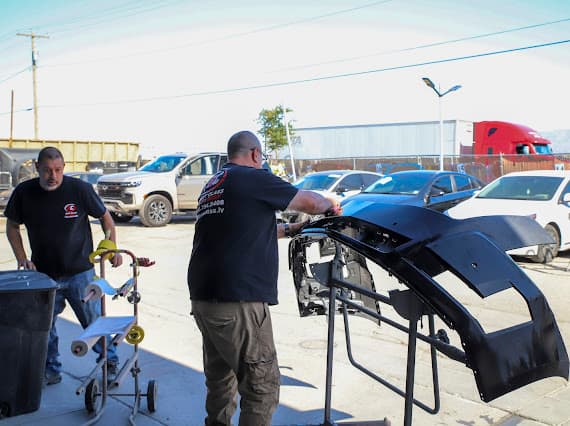
A car accident is a jarring experience. Whether it is a minor fender-bender on Flamingo Road or a serious collision on the I-15, the moments after an accident matter. Knowing exactly what steps to take can protect your safety, your legal rights, and your wallet. Here is a practical guide for Las Vegas drivers.
Step 1: Stay Safe and Move to a Safe Location
Your first priority is safety. If the vehicles are drivable and it is safe to do so, move them out of active traffic lanes and onto the shoulder or a nearby parking lot. Turn on your hazard lights. Check yourself and any passengers for injuries before focusing on the vehicles.
- Do not exit the vehicle if you are in a dangerous location - wait for help
- Turn on hazard lights immediately
- Move to the shoulder or a nearby lot if vehicles are drivable and it is safe
- Check for injuries before assessing vehicle damage
Step 2: Call 911
In Nevada, you are required to report accidents that result in injury, death, or property damage over $750. In Las Vegas, this means nearly every accident should be reported. Call 911 and wait for law enforcement to arrive. A police report is critical for insurance claims and potential legal proceedings.
Step 3: Document the Scene
While waiting for police, document everything you safely can. Your phone is a powerful tool in this moment.
- Photograph all vehicle damage from multiple angles
- Photograph the overall scene, including road conditions, traffic signs, and skid marks
- Exchange name, contact information, license plate, insurance carrier, and policy number with the other driver
- Get names and contact information from any witnesses
- Write down the responding officers names and the report number
Step 4: File a Police Report in Las Vegas
Nevada law requires that you file a crash report with the Nevada DMV within 10 days of any accident not investigated by police if the damage exceeds $750. If police respond to the scene, they will create the report. Always get the report number before leaving - your insurance carrier will need it.
Step 5: Notify Your Insurance Company
Contact your insurance company as soon as possible, even if you were not at fault. Most policies require prompt notification. Be factual and stick to what you observed - do not speculate about fault or accept blame. Your insurer will guide you through the claims process.
Step 6: Do Not Admit Fault
Even if you feel partially responsible, do not admit fault at the scene or in conversations with the other driver. Fault determination involves factors that are not always obvious in the moment - road conditions, mechanical issues, and traffic violations all play a role. Let the insurance companies and law enforcement make that determination.
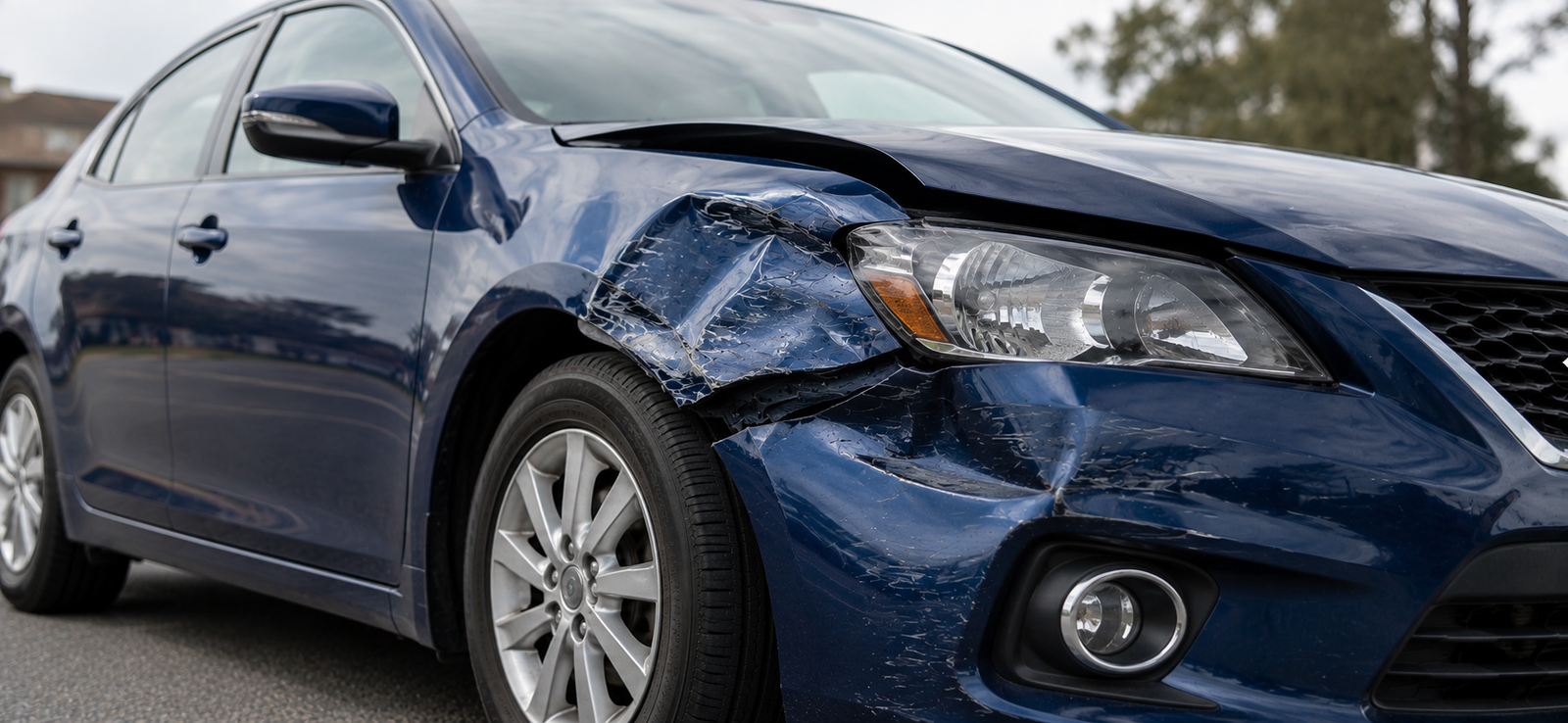
Step 7: Choose a Certified Auto Body Shop in Las Vegas
Under Nevada law, you have the right to choose your own auto body repair shop - your insurance company cannot require you to use a specific shop. Choosing a certified, reputable shop protects your vehicle and your investment in the repair.
Best Class Auto Body at 5267 E Cheyenne Ave in Las Vegas is I-CAR Gold Class certified, which is the collision repair industry's highest training designation. We work directly with all major insurance carriers, handle supplement negotiations on your behalf, and back every repair with a lifetime workmanship warranty.
Related Services at Best Class Auto Body:
The Repair Process: What to Expect
Once you choose a shop, the process typically follows these steps: a damage assessment and written estimate, insurance approval (which the shop coordinates), parts ordering, structural and body repair, paint matching and refinishing, quality inspection, and final delivery. A good shop keeps you informed at each stage.

Frequently Asked Questions
How long does collision repair take in Las Vegas?
Repair time depends on the extent of damage and parts availability. Minor repairs may take 2-4 days. Moderate to major repairs can take 1-3 weeks. Supply chain conditions on certain parts can affect timelines. Your shop should give you an estimated completion date upfront.
Do I need a police report to file an insurance claim in Nevada?
While not always legally required to file a claim, a police report significantly strengthens your case with the insurance company. Most insurers strongly recommend having one for any accident involving another vehicle or significant damage.
Can I drive my car after an accident?
If the vehicle is structurally compromised, airbags have deployed, fluids are leaking, or you cannot safely steer and brake, do not drive it. Even if the car appears drivable, have it inspected before driving long distances - hidden damage can affect safety systems.
What if the other driver is uninsured?
Nevada requires uninsured motorist coverage on all auto policies. If the other driver is uninsured, file a claim with your own insurer under that coverage. Document everything at the scene - photos, witness info, and the other driver's contact information.