One of the most common sources of visible auto body repair outcomes is not a bad paint match - it is the absence of proper paint blending. Two panels with an identical color formula can look noticeably different if one has been freshly refinished and the adjacent one has years of UV exposure and environmental aging. Paint blending is the technique that prevents this - and understanding it helps Las Vegas drivers evaluate the quality of a repair before they accept the vehicle.
What Paint Blending Is
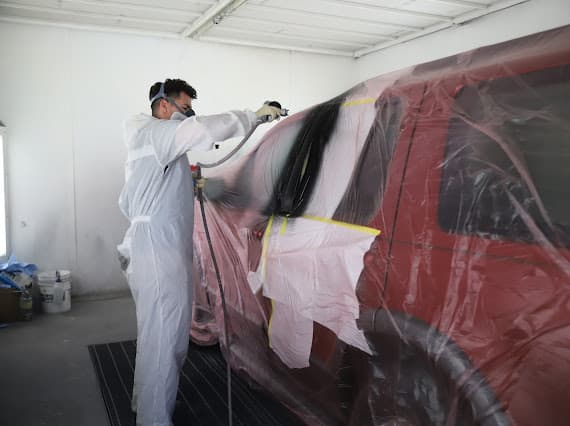
Paint blending is the process of applying fresh paint in a way that transitions gradually into the existing finish on adjacent panels rather than stopping at a hard edge. Instead of refinishing only the damaged panel and stopping at the panel seam, a blending operation extends the fresh base coat and clear coat onto the neighboring panel in a feathered, gradually thinning application. This gradual transition makes the boundary between old and new paint invisible under normal viewing conditions.
Why a Perfect Color Match Is Not Always Enough
Automotive paint ages from the moment it is applied. UV radiation, heat, and environmental exposure cause subtle shifts in color, gloss level, and surface texture over time. In Las Vegas, where UV index readings are among the highest in the continental United States, this aging process is faster than in most other cities. A vehicle that has been in Las Vegas for three years has paint that looks meaningfully different from the original factory formula - even if the difference is subtle.
A refinishing technician who matches the color formula exactly to the factory code will produce fresh paint that matches the formula - but not necessarily the aged paint on the rest of the vehicle. Without blending, the hard edge between the freshly refinished panel and the adjacent aged panel is often visible in direct or angled light, even when the color formula is correct.
When Blending Is Required
Blending is typically required any time a panel is refinished on a vehicle that has accumulated visible aging on its paint. This includes most vehicles more than two or three years old, and virtually all vehicles that have spent those years in Las Vegas conditions. The specific panels that require blending depend on which panel was repaired and which adjacent panels share visible sight lines with it. A door refinish, for example, typically requires blending into the adjacent front fender and rear quarter panel.
Insurance Estimates and Blending
Insurance repair estimates do not always include blending operations by default. An estimate written for refinishing only the damaged panel may not include the labor and material cost for blending into adjacent panels. A shop that performs only what the insurance estimate specifies - without advocating for the operations needed to produce a quality result - may leave you with a visible repair boundary. A quality shop identifies which blending operations are needed and includes them in the repair plan, negotiating with the insurer as part of the supplement process if necessary.
Paint Blending at Best Class Auto Body in Las Vegas
Best Class Auto Body includes necessary blending operations in our repair plans for Las Vegas customers. Our refinishing technicians use computerized color-matching systems to develop formulas that account for how your vehicle's specific paint has aged - not just the original factory code. Our shop is at 5267 E Cheyenne Ave in Las Vegas. Call (702) 754-5408 or stop by for a free estimate.
Related Services at Best Class Auto Body: